Introducing Liquid Glass: A Unique Font for Modern Design
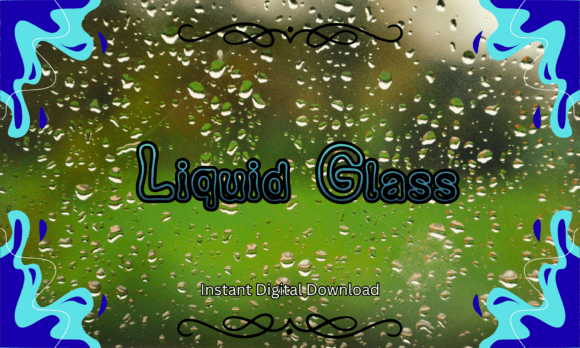
Liquid Glass is a modern display typeface that brings a fresh, atmospheric aesthetic to creative projects. Inspired by rainy windows and sleek Y2K design, this font features smooth, liquid-inspired lettering with glossy bubble outlines that mimic water droplets sliding across glass. Its unique style makes it ideal for branding, social media graphics, packaging, and more.
What Makes Liquid Glass Stand Out?
The standout feature of Liquid Glass is its liquid-like appearance. Each character flows smoothly, creating a sense of motion and depth. The glossy bubble outlines add a reflective quality that enhances the overall visual impact. This combination of fluidity and shine gives the font a distinctive look that stands out in any design.
Designed with both aesthetics and functionality in mind, Liquid Glass offers a versatile set of characters. It includes uppercase and lowercase letters, numbers, and symbols, making it suitable for a wide range of applications. Whether you're creating a logo, designing packaging, or crafting digital artwork, Liquid Glass provides the necessary tools to bring your vision to life.
Key Features of Liquid Glass
- Smooth Rounded Display Font: The rounded edges give Liquid Glass a soft, approachable feel.
- Bubble Outline Lettering: The glossy bubble effect adds a touch of elegance and modernity.
- Rainy Window Aesthetic: Inspired by rainy days, this font evokes a sense of calm and sophistication.
- Futuristic Y2K Style: With its sleek and contemporary design, Liquid Glass fits well within the Y2K trend.
These features make Liquid Glass not only visually appealing but also highly functional for various design needs. Its adaptability ensures that it can be used in both professional and personal projects alike.
Where Can You Use Liquid Glass?
Liquid Glass is perfect for a variety of creative endeavors. Here are some common use cases:
- Logos and Branding: The unique style of Liquid Glass makes it an excellent choice for creating eye-catching logos.
- Packaging Designs: Its glossy appearance adds a premium feel to product packaging.
- Stickers and Decals: The font's visual appeal translates well to small-format designs like stickers.
- Wall Art: Liquid Glass can be used to create stunning wall art that captures the essence of a rainy day.
- Sublimation Projects: The font's clarity and style make it ideal for sublimation onto fabrics and other materials.
- Social Media Graphics: Whether for Instagram posts or Twitter headers, Liquid Glass adds a stylish touch.
- Website Headers: Its bold and modern look is great for website headers that need to grab attention.
- Invitations: Liquid Glass can elevate the look of event invitations with its elegant and sophisticated style.
- Merchandise Designs: From T-shirts to mugs, this font can enhance the design of merchandise.
- Digital Artwork: Artists can use Liquid Glass to create digital pieces that blend technology and nature.
- Aesthetic Projects: Its trendy and modern vibe aligns well with aesthetic themes and trends.
Each of these applications highlights how Liquid Glass can be tailored to fit different creative needs. Its versatility allows designers to experiment and push the boundaries of their work.
Who Benefits from Using Liquid Glass?
Liquid Glass is suitable for a wide range of users, including:
- Creatives: Graphic designers, illustrators, and artists can use Liquid Glass to enhance their visual storytelling.
- Business Owners: Entrepreneurs looking to build a strong brand identity can benefit from the font's unique style.
- Online Users: Social media influencers and content creators can incorporate Liquid Glass into their digital content for a cohesive look.
- Professionals: Marketing and advertising professionals can use the font to create compelling visuals for campaigns.
- Students: Design students can use Liquid Glass as a tool for learning and experimenting with typography.
Whether you're a seasoned designer or just starting out, Liquid Glass offers something valuable for everyone. Its ease of use and striking appearance make it a great addition to any creative toolkit.
Considerations and Limitations
While Liquid Glass has many strengths, it's important to consider its limitations. The glossy bubble effect may not render perfectly on all platforms or software. Additionally, the font's unique style might not be appropriate for every design context. For example, it may not be ideal for formal documents or traditional print materials where a more classic font would be better suited.
It's also worth noting that Liquid Glass is best used in digital formats. While it works well with most design software, there may be some compatibility issues when printing. Always test the font in your intended medium before finalizing your project.
Getting Started with Liquid Glass
Using Liquid Glass is straightforward. Simply download the font files (TTF and OTF) and install them on your computer. Once installed, you can access the font in your preferred design software such as Adobe Illustrator, Canva, or Cricut Design Space.
For those who prefer instant access, many online platforms offer direct downloads. This makes it easy to start using Liquid Glass without the need for complex setup processes.
With its intuitive design and user-friendly interface, Liquid Glass is accessible to both beginners and experienced designers. Whether you're working on a personal project or a professional endeavor, the font's flexibility ensures that it can meet your needs effectively.
Real-World Examples
To better understand the practical applications of Liquid Glass, let's explore a few real-world examples:
- Branding: A tech startup could use Liquid Glass for their logo and website headers to convey a modern and innovative image.
- Product Packaging: A skincare brand might incorporate Liquid Glass into their packaging design to create a luxurious and elegant look.
- Social Media Content: A fashion influencer could use the font in their Instagram stories and captions to maintain a consistent and stylish aesthetic.
- Event Invitations: A music festival could use Liquid Glass for their event flyers to attract attention and create a memorable experience.
- Digital Art: An artist could integrate Liquid Glass into their digital artwork to add a unique and modern twist.
These examples demonstrate how Liquid Glass can be adapted to suit different industries and purposes. Its versatility ensures that it remains a valuable asset in the world of design.
Evaluating Suitability
When evaluating whether Liquid Glass is right for your project, consider the following factors:
- Design Context: Does the font fit the overall theme and tone of your project?
- Platform Compatibility: Will the font render correctly on all intended platforms and devices?
- Visual Impact: Does the font enhance the visual appeal of your design without overshadowing other elements?
- Brand Identity: Does the font align with your brand's personality and values?
By carefully assessing these factors, you can determine whether Liquid Glass is the best choice for your specific needs. Its unique style and versatility make it a strong contender for a wide range of creative applications.