Exploring the Bold Aesthetic of Rough Dream: A Versatile Font for Sports and Beyond
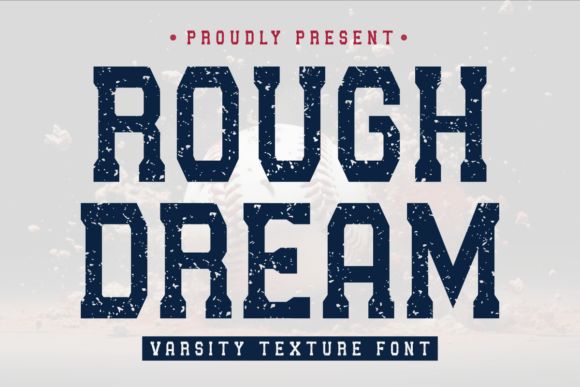
Rough Dream is more than just a font—it’s a visual statement. With its bold varsity-style design, this font captures the essence of classic sports lettering while adding a modern twist through its gritty, textured look. Inspired by vintage athletic typography, Rough Dream brings a sense of nostalgia and strength to any project, making it ideal for team logos, sportswear branding, posters, and event promotions. Its distressed texture gives it an authentic, worn-in feel that resonates with those who appreciate a tough, competitive edge in their design work.
The Evolution of Sports Typography
Typography has always played a crucial role in sports culture. From hand-painted banners at college football games to the iconic lettering on baseball jerseys, the visual language of sports has evolved alongside the game itself. Rough Dream taps into this tradition, drawing from the rich history of varsity lettering that once adorned gymnasiums and stadiums across America.
In the early 20th century, sports teams used hand-lettered signs and plaques to celebrate victories and honor athletes. These designs were often created with chalk or paint, giving them a raw, organic appearance. Over time, as printing technology advanced, these handcrafted styles were replicated using typefaces that mimicked the same aesthetic. Today, fonts like Rough Dream continue this legacy, offering a digital version of the same rugged charm.
Key Characteristics of Rough Dream
- Bold and Visually Impactful: The thick strokes and strong contrast of Rough Dream make it stand out in any design context. It commands attention, which is especially valuable in environments where visual hierarchy is key.
- Vintage-Inspired Texture: The distressed texture adds depth and character, evoking the feeling of something that has been used, worn, and cherished over time.
- Varsity-Style Influence: Rooted in traditional sports typography, Rough Dream channels the spirit of collegiate and professional athletics, making it a natural fit for sports-related projects.
- High Readability: Despite its rugged appearance, Rough Dream maintains excellent legibility. This balance between style and functionality ensures it works well in both large-scale signage and smaller text applications.
- Adaptable Design: Whether used in print or digital formats, Rough Dream offers flexibility. Its versatility allows it to be applied across various mediums, including web design, packaging, and promotional materials.
Where to Use Rough Dream Effectively
Rough Dream is not limited to sports-themed designs. Its strong, nostalgic appeal makes it suitable for a wide range of creative applications. Here are some of the most effective use cases:
Sports Team Branding
For college and professional sports teams, Rough Dream can be used to create powerful logos, mascots, and promotional materials. Its varsity-style influence aligns perfectly with the identity of athletic organizations, reinforcing a sense of tradition and pride.
Consider using Rough Dream for team names, slogans, and player profiles. Its bold nature ensures that even small text elements remain visible and impactful, making it ideal for merchandise such as t-shirts, hats, and jackets.
Event and Tournament Graphics
Whether it's a local high school basketball tournament or a major league championship, Rough Dream can elevate the visual appeal of event graphics. Its textured look adds a layer of authenticity to posters, banners, and digital signage, helping to create a cohesive brand identity.
When designing event invitations or schedules, Rough Dream can help set the tone—whether you're aiming for a rugged, competitive vibe or a nostalgic, community-driven feel.
Product Packaging and Apparel
Rough Dream is also well-suited for product packaging and apparel design. Its strong, masculine aesthetic complements products that emphasize durability, performance, and heritage. Think about sports gear, outdoor clothing, and lifestyle brands that want to convey strength and resilience.
By incorporating Rough Dream into packaging labels or fabric tags, brands can create a stronger emotional connection with their audience. The font’s textured finish adds a tactile quality that can be felt even in digital formats, enhancing the overall user experience.
Design Considerations When Using Rough Dream
While Rough Dream offers many advantages, there are a few considerations to keep in mind when using it in your projects:
- Contrast and Background: Due to its textured surface, Rough Dream may require a clean, high-contrast background to ensure maximum readability. Avoid using light-colored backgrounds with dark text, as this can reduce visibility.
- Text Size and Spacing: Because of its bold, chunky design, Rough Dream should be used with care in smaller text sizes. Ensure adequate spacing between letters and words to maintain clarity and prevent overcrowding.
- Color Pairing: While the font works well with black and white, it can also be paired with complementary colors to enhance its visual impact. Experiment with different color combinations to find what best suits your design goals.
- Consistency in Branding: If using Rough Dream as part of a larger brand identity, ensure consistency across all materials. Maintain the same font style, color palette, and layout to reinforce brand recognition and professionalism.
Comparisons with Other Fonts
Rough Dream shares similarities with other popular sports and retro-inspired fonts, but it stands out due to its unique combination of boldness and texture. For example, Courier New and Impact offer strong, sans-serif designs that are widely used in sports contexts, but they lack the textured, nostalgic quality that defines Rough Dream.
Fonts like Avenir Next and Helvetica Neue provide a cleaner, more modern look, which may not align with the rugged, vintage aesthetic that Rough Dream delivers. In contrast, fonts such as Old Standard TT and Playfair Display offer a more refined, serif-based approach that doesn't match the aggressive, competitive edge of Rough Dream.
Ultimately, the choice of font depends on the specific needs of your project. If you're looking for a font that combines strength, nostalgia, and visual impact, Rough Dream is an excellent option.
Conclusion
Rough Dream is more than just a font—it's a design philosophy that bridges the past and present. Its bold, textured style captures the spirit of sports and athleticism while remaining relevant in today’s digital landscape. Whether you're creating team logos, event graphics, or product packaging, Rough Dream offers a versatile, powerful solution that can elevate your visual storytelling.
By understanding its characteristics, use cases, and design considerations, you can effectively integrate Rough Dream into your projects and create a lasting impression that resonates with your audience.